
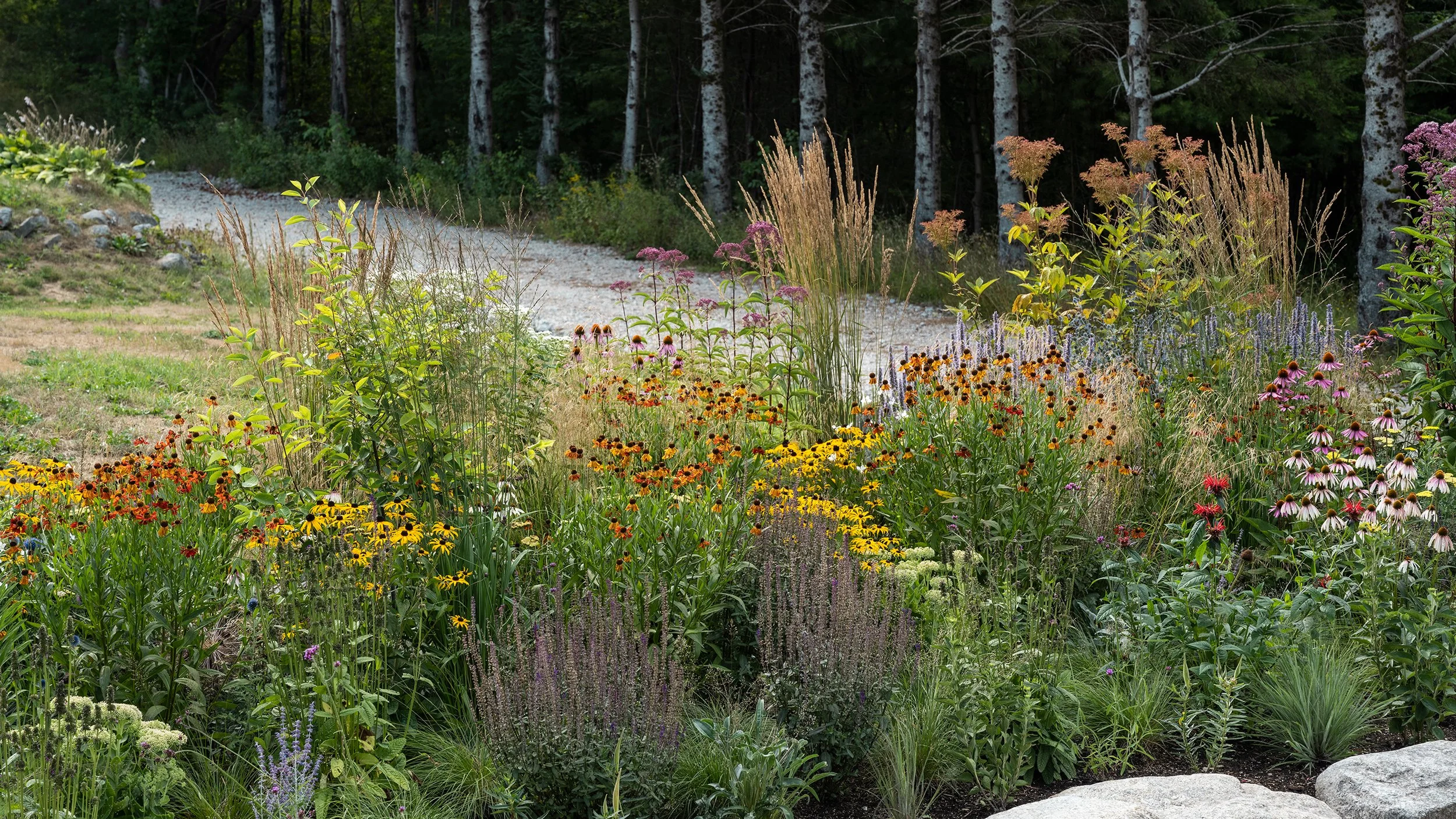
Naturalistic Gardens
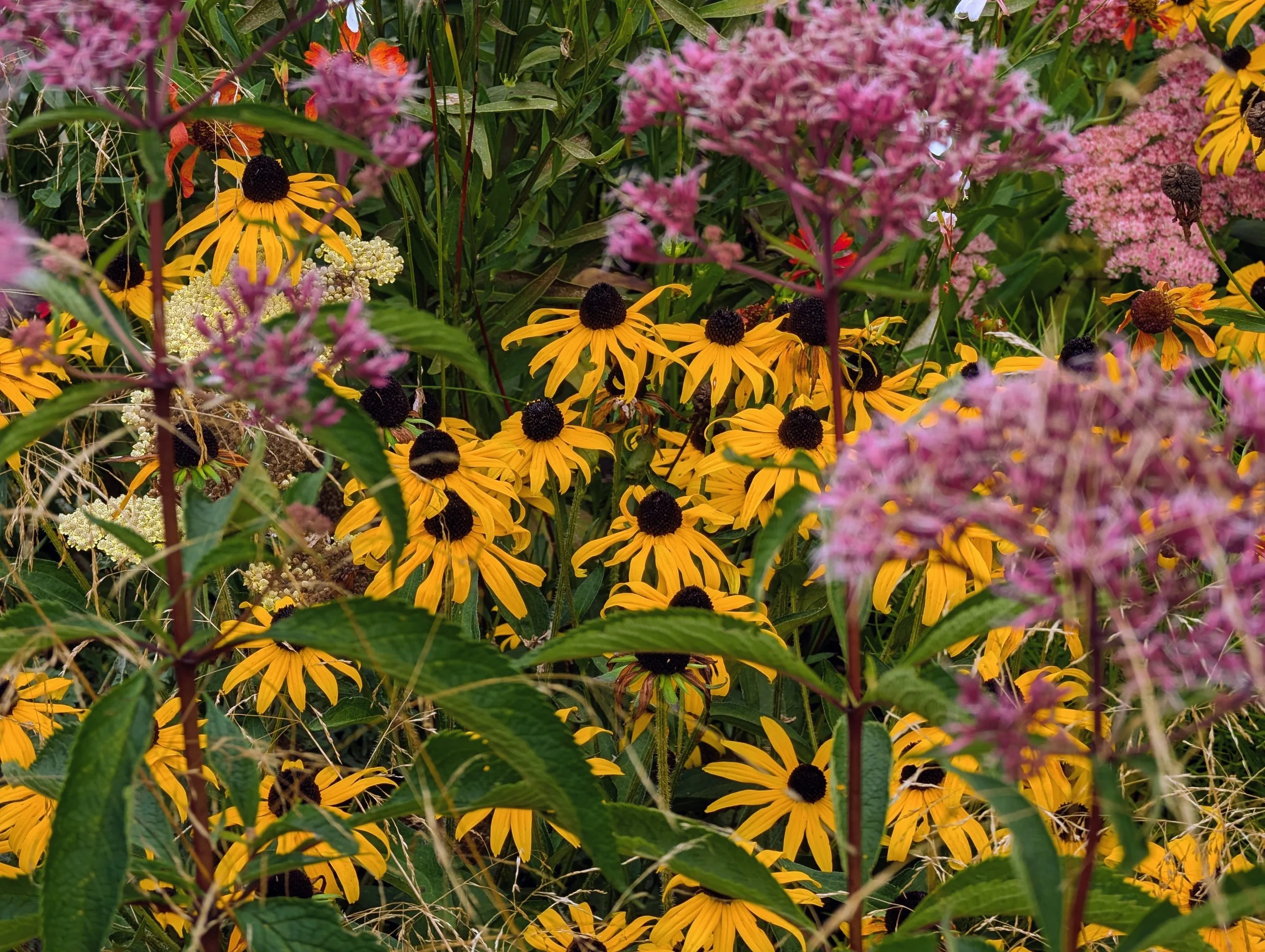
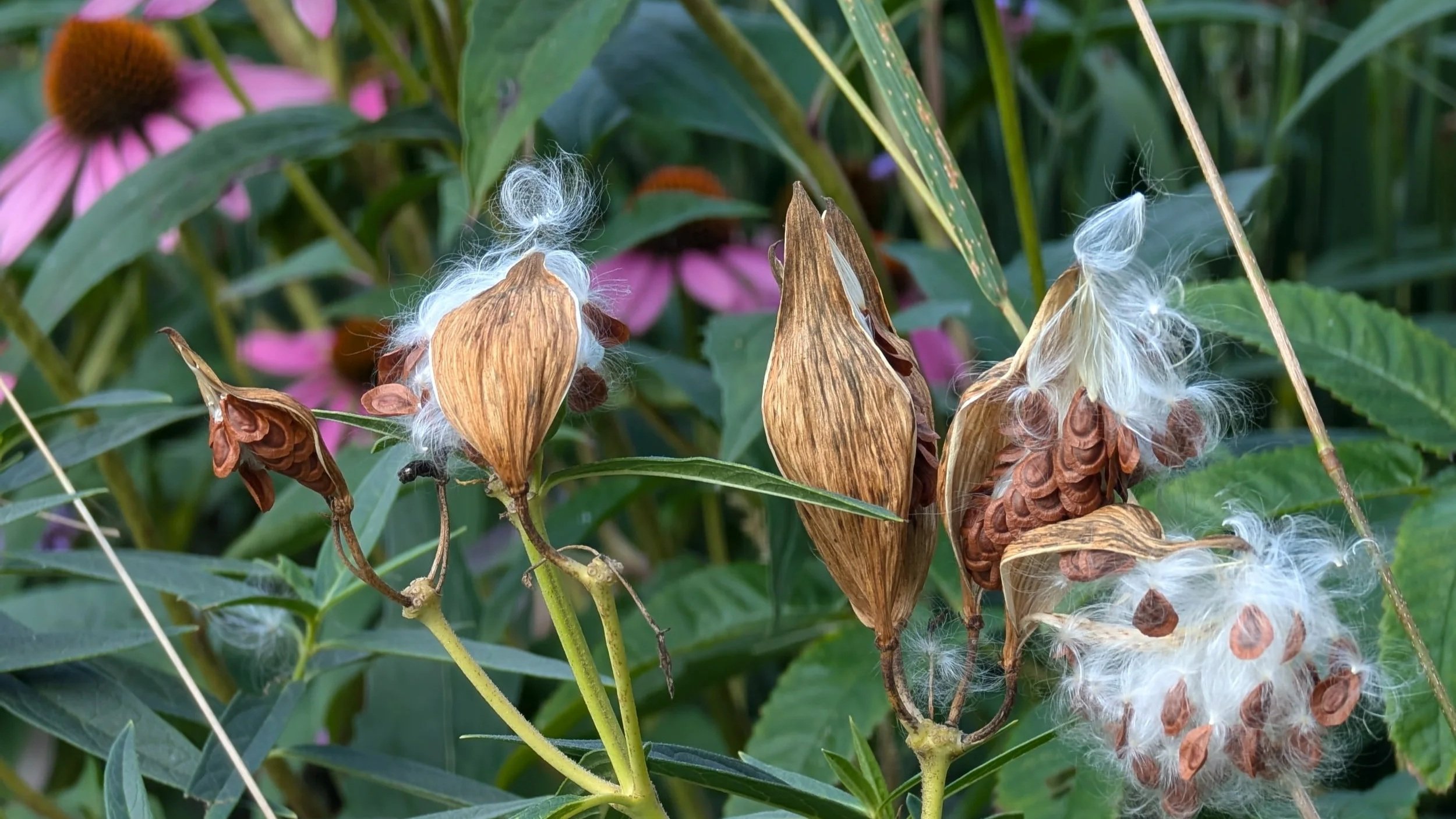
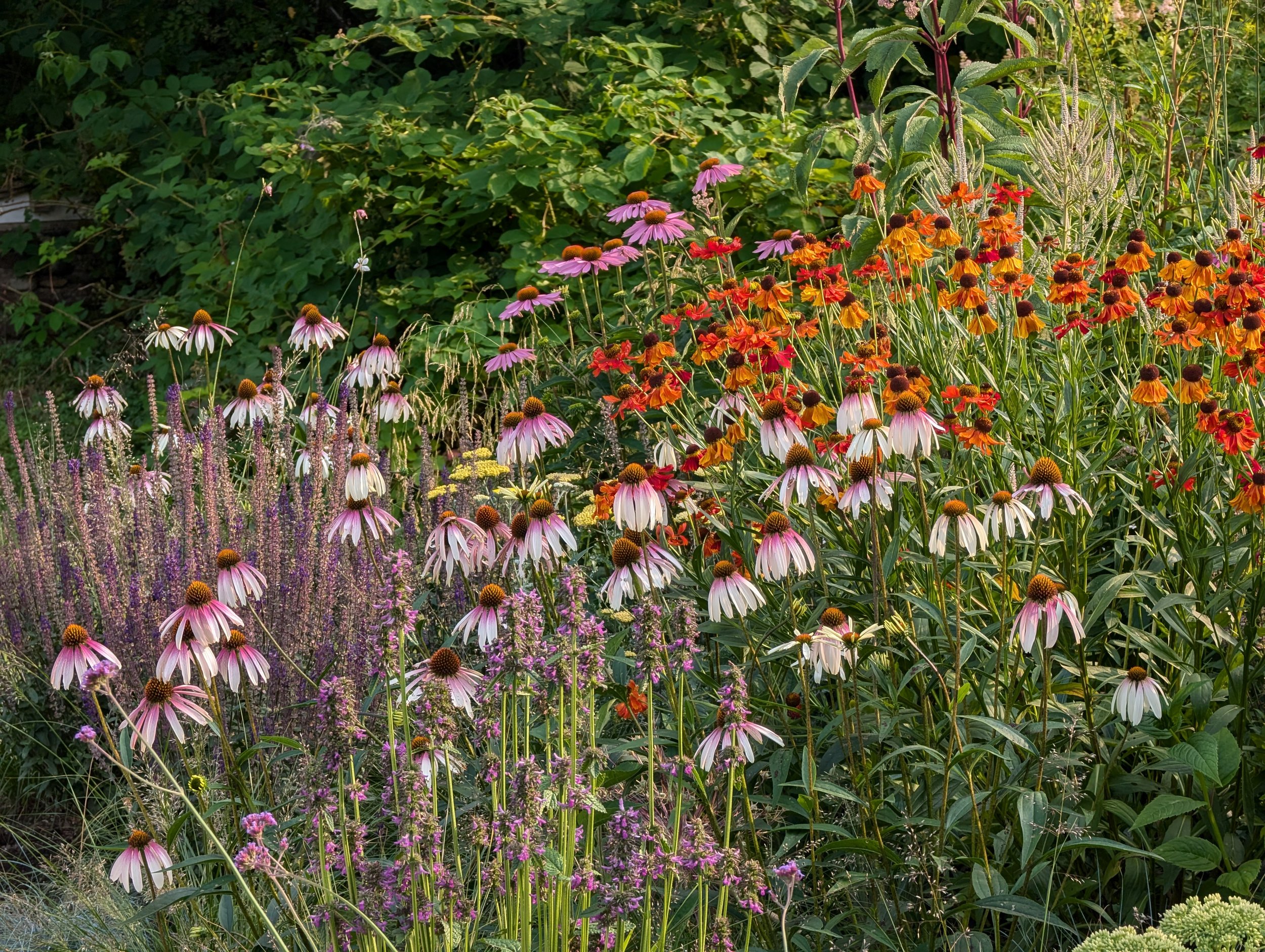
Naturalistic gardens are designed to shift with the seasons. Inspired by wild landscapes, they bring together trees, grasses, and perennials in layered groupings that are dynamic, resilient, and rooted in place.
FAQ
Will it look messy?
Naturalistic gardens can look looser than what many people are used to. Plants are allowed to grow into each other, and the structure isn’t based on rigid lines or tightly clipped forms.
But loose doesn’t mean unplanned.
These gardens are carefully designed with repetition, layering, and strong structural plants that hold everything together. What may appear natural is actually intentional. Clear edges and consistent repetition keep the planting grounded rather than chaotic.
Unlike traditional landscapes that look the same for long stretches of time, naturalistic gardens shift week to week and month to month. Different plants come forward, others fade back, and seedheads remain standing long after flowers are gone.
The variation is part of the design.
Is a naturalistic garden high maintenance?
No garden is maintenance free.
The good news is that more plants does not automatically mean more work.
When people ask about maintenance, they usually mean two things: How much weeding will I have to do? And how much watering will it require?
Weeds need light and open soil to establish. In a naturalistic garden, plants are installed densely enough that they eventually cover the soil surface. As the planting fills in, there is less exposed space for weeds to take hold.
You can think of it as a living mulch — the plants themselves shade the soil and help retain moisture, while also providing far more visual and ecological value than bare ground or wood chips.
We carry an extensive selection of drought-tolerant plants, and recent dry seasons have only strengthened our commitment to them. As gardens mature and root systems deepen, they become increasingly resilient. Our goal is a landscape that needs very little supplemental watering — yet remains abundant and alive with bloom.
Maintenance in this type of garden is different from conventional landscaping. Instead of constant edging, shearing, and seasonal replanting, the work tends to be more seasonal and intentional — cutting back in early spring, occasional thinning or editing, and observing how the planting develops over time.
As the garden matures, it typically requires less intervention rather than more.
What does it look like in winter?
Traditionally, many gardens are cut back completely in late fall and left bare through winter. At Adelia Gardens, we take a different approach.
We leave most perennials and grasses standing through winter and cut them back in early spring, just before new growth begins. The cut plant material is then left in situ to decompose and enrich the soil naturally.
There are a few reasons for this.
First, winter structure matters. Seedheads, dried stems, and ornamental grasses provide form and movement at a time of year when little else is happening.
Second, standing plant material provides food and habitat for birds and overwintering insects. Many beneficial insects shelter inside hollow stems, and seedheads become an important source of winter food.
Third, leaving plants standing helps protect the crown of the plant. Above-ground growth can trap snow and provide insulation against freeze–thaw cycles.
The result is a garden that remains intentional and structured through winter rather than stripped back to bare soil.
How long does it take to fill in?
Naturalistic gardens are designed to grow into themselves.
Because we often use smaller 1-gallon plants, the first season is primarily about establishment. You’ll see growth and structure right away, but the planting will still feel young.
By the second growing season, most perennials begin to knit together more noticeably. The garden starts to feel fuller and more cohesive, and some plants approach mature size.
By the third year, most plants are close to their mature spread, and the layered structure becomes more pronounced.
That said, the garden is never static. Some plants establish quickly, while others take a little longer. Part of naturalistic planting is allowing that progression to happen gradually rather than forcing instant fullness.
The result is a garden that improves each year rather than peaking immediately and declining.
Will deer destroy a naturalistic garden?
No garden is 100% deer-proof.
With that in mind, we design with deer pressure as a real consideration. Plant selection is critical. We prioritize species and cultivars that are generally considered deer-resistant, often due to characteristics such as aromatic foliage, coarse or fuzzy leaves, or textures that deer tend to avoid.
Naturalistic planting also helps reduce browsing impact in another way. Because plants are installed densely and in mixed groupings, individual plants are less isolated and less visible as easy targets. A layered planting of diverse species is often more resilient than a row of single shrubs.
While no planting can guarantee zero damage, thoughtful selection and design significantly reduce the likelihood of widespread loss.
Can naturalistic planting work in a small yard?
Yes. Naturalistic planting is about how plants relate to each other, not the size of the space.
Even in a small yard, gardens can be designed using successive layering — meaning different plants are arranged so that as some fade back, others emerge and take their place. This allows the garden to shift and stay dynamic throughout the season without needing a large area.
Because plants are selected and arranged intentionally, a small space can support a surprising amount of diversity while still feeling cohesive.
The scale changes. The principles do not.
Why does a naturalistic garden cost more upfront than traditional landscaping?
Naturalistic gardens use more plants than conventional landscaping. Instead of spacing shrubs far apart and filling the gaps with mulch, plants are installed more densely so they can grow together and eventually cover the soil.
This density isn’t decorative — it serves a purpose. Closely planted perennials and grasses help suppress weeds, reduce exposed soil, retain moisture, and create more food and habitat for birds and pollinators.
Because more plants are used, the initial material cost is higher.
At Adelia Gardens, we help manage this by primarily growing and installing small 1-gallon (or smaller) plants. These establish quickly, are easier to plant, and allow the garden to fill in naturally over time while keeping costs more reasonable.
Naturalistic planting also involves careful planning. Plants are selected not just for appearance, but for how they behave together over time. The goal isn’t to make it look full on day one — it’s to make sure the garden settles in properly and still works years from now without needing to be constantly redone.
While the upfront investment is greater, long-term maintenance is often reduced. Dense planting limits ongoing weeding, reduces reliance on mulch, and focuses on long-lived perennials rather than short-term replacements.
The goal is not a quick visual result — it is a garden that becomes stronger and easier to manage as it matures.
Please contact us if you have any other questions that we may have not answered.